
635 occupied private dwellings were reported as apartments in buildings with fewer than five storeys in the 2021 Census profile (47%); 400 single-detached houses represented another 29%.
Current community listings
Find a home in University Heights.
Open the current University Heights search, then compare each address against established detached housing, land-use and development context and the alternatives competing for the same buyer.
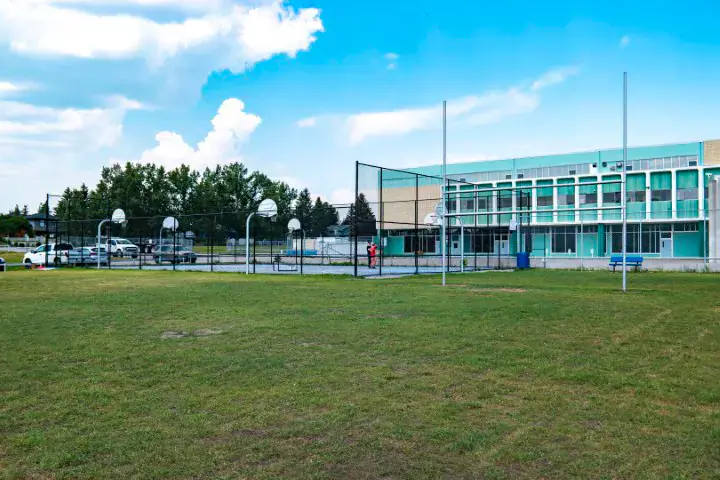
Current University Heights homes
Search University Heights homes
Browse the dedicated HomesForSaleNearMe community search, then bring a specific address back to Dusko and the team for status confirmation and a property-level review.
Housing profile
Build the right University Heights comparison set
University Heights’ largest reported construction cohort was 1961 to 1980 with 760 occupied private dwellings (56%), followed by 1981 to 1990 with 210 (15%).
385 private households were reported as owner households (28%) and 975 as renter households (71%) in 2021.
Source: The City of Calgary, 2021 Census Community Profile: University Heights. Values are Census observations and may not total exactly because of rounding or source disclosure controls.
Real Estate Partners portfolio
Search University Heights specifically →Homes our team is representing now.
The portfolio shows active Real Estate Partners listings across the team network. The dedicated University Heights search remains the complete path for current community inventory.
Private property tour
Request a private tour in University Heights.
Send the address or listing link. The team will confirm current status, then prepare around land-use and development context before following up about availability and timing.
Questions to prepare for a University Heights property.
Address-specific local context
Identify address-specific water, drainage, slope, noise, traffic, construction, fire, environmental or insurance questions relevant to the University Heights property; do not generalize an exposure to every home. For University Heights, keep established detached housing in the same decision as inner-city routes and services. Nearby alternatives in the same decision can include St. Andrews Heights and Parkdale.
Permits and land use
Confirm the current municipal land-use designation, permit history, approved plans and any nearby application for the exact University Heights address. For University Heights, keep renovated and substantially updated homes in the same decision as neighbourhood parks and gathering places. Nearby alternatives in the same decision can include Parkdale and University District.
Title and insurance
Review the current title and applicable registered instruments, easements, caveats, liens, encumbrances and plans with qualified legal advice. For University Heights, keep attached or infill options in the same decision as multiple commuting options. Nearby alternatives in the same decision can include University District and Varsity.
Inspection scope
Set inspection scope from the property's actual age, construction type, systems, renovations, site and known disclosures; a community profile is not a property inspection. For University Heights, keep different lot and redevelopment contexts in the same decision as a street-by-street residential experience. Nearby alternatives in the same decision can include Varsity and St. Andrews Heights.
University Heights real estate with Dusko
A University Heights strategy built around the property—not a borrowed neighbourhood claim.
Dusko leads the University Heights relationship with the wider Real Estate Partners team supporting search, media, marketing, operations and follow-through.
The approach is to understand what is distinctive about the home, explain it clearly and compare it with the alternatives a real buyer can choose.

Primary real estate contact
Dusko Sremac
REALTOR® · Real Estate Partners by Real BrokerBuyer and seller strategy, negotiation and a clear point of accountability from the first conversation through closing.

Full-team support
Real Estate Partners
Search · marketing · negotiation · operationsDusko remains the primary contact, with the wider team adding the people and capacity the property, timing and client need call for.
See how the team works →Community evidence brief
A fuller University Heights foundation.
University Heights is an established northwest inner-city community beside major university and medical destinations, with a mix of low-rise apartments, detached homes and redevelopment opportunities. The official 2021 Census profile counted 2,965 people in private households and 1,360 private households within the exact community profile geography used for this site. Apartments in buildings with fewer than five storeys represented 47% of occupied private dwellings, single-detached houses represented 29%, and the largest reported construction cohort was 1961 to 1980 at 56%. Those figures are dated context rather than current prices or evidence about an individual property. Buyers should separate condominium document and fee analysis from detached-home questions about lot, effective age, renovation history, permits, parking and institutional or route exposure.
How to read this brief
Exact community-profile evidence is used for this guide. Historical Census context, current listing status and address-specific property evidence remain separate layers.
Historical community evidence, current listing status and address-specific property records remain separate layers throughout the guide.
See sources and methodology →Five layers behind the University Heights comparison.
Dwelling forms
- Apartments in buildings with fewer than five storeys: 635 occupied private dwellings (47%) in the 2021 Census profile.
- Single-detached house: 400 occupied private dwellings (29%) in the 2021 Census profile.
- Apartments in buildings with more than five storeys: 285 occupied private dwellings (21%) in the 2021 Census profile.
- Semi-detached house: 15 occupied private dwellings (1%) in the 2021 Census profile.
- Row house: 10 occupied private dwellings (1%) in the 2021 Census profile.
- Apartment or flat in a duplex: 10 occupied private dwellings (1%) in the 2021 Census profile.
Construction periods
- 1961 to 1980: 760 occupied private dwellings (56%); use this as historical community context, not the age of a listing.
- 1981 to 1990: 210 occupied private dwellings (15%); use this as historical community context, not the age of a listing.
- 1991 to 2000: 135 occupied private dwellings (10%); use this as historical community context, not the age of a listing.
- 2001 to 2010: 130 occupied private dwellings (10%); use this as historical community context, not the age of a listing.
- 1960 or before: 85 occupied private dwellings (6%); use this as historical community context, not the age of a listing.
- 2011 to 2015: 30 occupied private dwellings (2%); use this as historical community context, not the age of a listing.
Lot and site questions
- Compare the exact University Heights parcel for dimensions, orientation, grade, access, easements and neighbouring context; the community profile does not describe those property-level attributes.
- Review the survey or real property report, current land-use record and title before making a redevelopment, parking, access or boundary assumption.
Renovation and redevelopment
- Match the inspection and document plan to the subject property's actual construction, additions and effective age rather than the community's largest Census-era cohort.
- Ask for permits, plans, warranties, invoices and material-renovation records where applicable, then distinguish documented work from cosmetic presentation.
Condominium or association context
- For any condominium or managed-property form, review the corporation or association documents, insurance, financials, reserve planning, rules, parking, storage and unit obligations.
Explore the guides
Choose your next step in University Heights.
Compare the community, the type of home and the property-specific details in the order that makes sense for your move.
01
Build the comparison set
Use housing form, effective age, site and ownership documents to decide which University Heights properties are genuine substitutes.
Explore →02Infill guide
Two nearby addresses can belong to different physical, legal and buyer comparison sets.
Explore →03Prepare the property review
Organize financing, tour questions and specialist review before an offer compresses the decision.
Explore →Quick answers
What buyers and sellers ask about University Heights.
Start with the practical questions, then open the detailed guide that matches the property or decision in front of you.
Where can buyers see current University Heights homes for sale?
Current University Heights listing status is shown through the dedicated HomesForSaleNearMe search. This site provides the original community and property-decision context, while the team confirms the subject listing before a showing or offer.
How should University Heights homes be compared?
Frontage, orientation, land use, build quality, effective age and surrounding redevelopment often matter more than one community-wide average. Start by separating the physical and legal property form, then normalize site, effective age, condition, documentation and total ownership cost.
What should happen before booking a University Heights showing?
Which University Heights property form, ownership structure and completion stage fit the intended use and budget? Bring any promising address back to the team for status, document and showing coordination.
Who helps buyers review a University Heights property?
Dusko Sremac is the primary agent for this site. The wider Real Estate Partners by Real Broker team supports the relationship with coordinated search, marketing and operational capacity.
Official referencesGovernment and official records used for local context3 references +
01Purchasing a new homeGovernment of Alberta · accessed 2026-09-12
Provincial guidance on purchase contracts, land titles, property reports and home inspections
Open official source ↗02Property ResearchThe City of Calgary · accessed 2026-08-26Address-level permits, land use and planning records
Open official source ↗03Municipal property assessmentGovernment of Alberta · accessed 2026-09-12Provincial context for municipal property assessment and its distinction from a property-specific market opinion
Open official source ↗Official records provide dated community context. Current listing status and conclusions about one property still require the applicable live record and property documents.